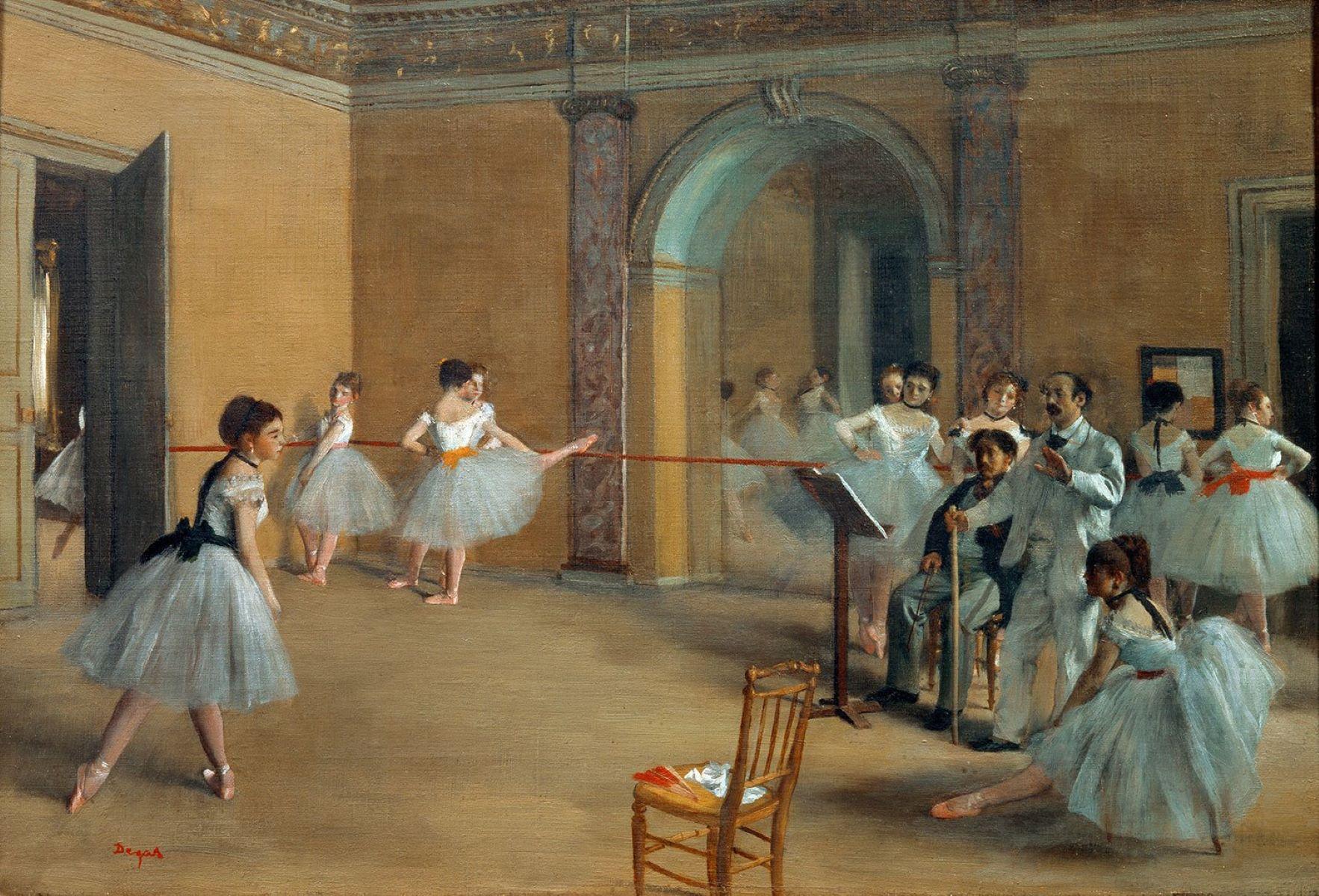
Palazzo Roverella presents a large exhibition that, for the first time in an organic way, brings together a protagonist of Italian art from the 19th century and one of the most incisive names on the European scene: Federico Zandomeneghi (Venice 1841 – Paris 1917) and Edgar Degas (Paris 1834 – 1917).
The exhibition, curated by art historian Francesca Dini, reconstructs the intense – sometimes sharp, always fertile – relationship that united the two artists during a long friendship in Paris. The exhibition path highlights affinities, references, and surprising convergences between two masters capable of redefining the modern gaze and is made unique by national and international loans of extraordinary quality, from important museums and collections.
The exhibition is promoted by Fondazione Cassa di Risparmio di Padova e Rovigo, in collaboration with the Municipality of Rovigo and the Accademia dei Concordi, with the support of Intesa Sanpaolo, and produced by Silvana Editoriale.
The historiography of the time describes Zandomeneghi and Degas as two personalities with difficult characters, but united by a profound mutual respect. Degas was a master and mentor to Zandò, and the Italian painter referred to his colleague as “the most noble and the most independent artist of our time,” while Degas affectionately called him, with slight sarcasm, “le vénetien,” alluding to the pride with which his colleague defended his Italian identity within the impressionist environment. The exhibition meticulously investigates the exchanges, influences, and enrichments that, in this constant comparison, nourished the work of both.
This exhibition not only illuminates an artistic relationship of extraordinary vitality but also restores the complexity of an era in which Florence and Paris, tradition and avant-garde, macchia and impression, dialogued in a tight intertwining that continues to speak to us with strength.