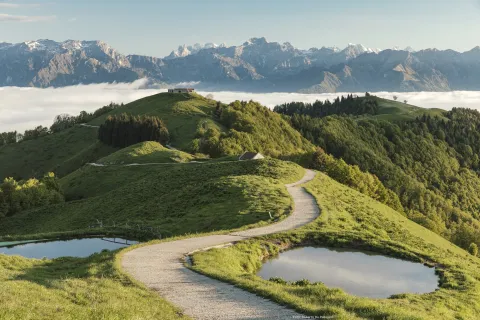
Imagine lands where time slows down and nature speaks without filters: welcome to Valbelluna, an ancient and vibrant valley that combines the culture of walled cities with the strength of forests and lakes. Here every village, every path, every dish tells a story to be discovered.
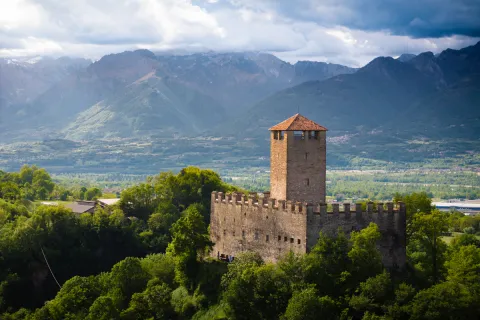
Climbing through the streets of the centre of Belluno means crossing elegant squares, with centuries-old fountains and glimpses of landscapes that suddenly open up to reveal the Belluno Dolomites. Not far away, Feltre reveals its medieval soul: every August, the Palio transforms the city into a journey through time, with costumed knights, archery tournaments and galloping horses. In Mel, one of the most beautiful villages in Italy, with stately homes and the Castle of Zumelle, stories of battles come to life, while a few steps away the Blue Grotto and the Paleoveneta necropolis hold mysteries that still today offer surprises.
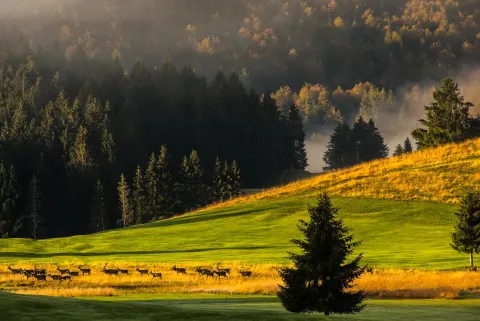
The nature in Valbelluna changes each season. In winter, the Alpe del Nevegal is a reference point for skiing and snowshoeing overlooking the Belluno Dolomites, while in summer it becomes a natural gym for trekking, MTB and Nordic walking. Further east lies the Cansiglio, the plateau with one of the oldest forests in Europe: a place that fascinates with its centuries-old beech trees, rich fauna and autumn foliage that transforms the landscape into a mosaic of golden colours. Where the highlands meet, the Alpago opens up, with Lake Santa Croce, loved by athletes for the constant wind that makes it ideal for sailing, windsurfing and kitesurfing, but also for those looking for a relaxing break in its clear waters.
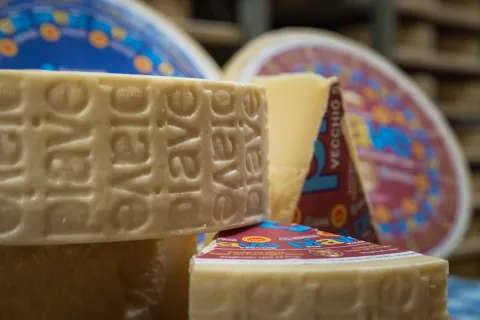
This territory is also narrated through its flavours and traditions. From the Gialét bean, a slow food product, to the PDO honey of the Belluno Dolomites, to the dishes that are never lacking on tables – pastìn handcrafted sausage, pumpkin gnocchi, panada (bread soup), cheeses such as Piave and Nevegal, polenta and mushrooms – every taste is an encounter with the identity of the territory.
In the villages and towns, the artisan culture still survives: ancient crafts, craftsmanship and local festivals become an opportunity for meeting and discovery. Throughout the year there are events that enliven the valley: from Christmas markets to historical re-enactments, moments in which communities and visitors come together to share know-how, good food and conviviality.