Villa Fracanzan Piovene
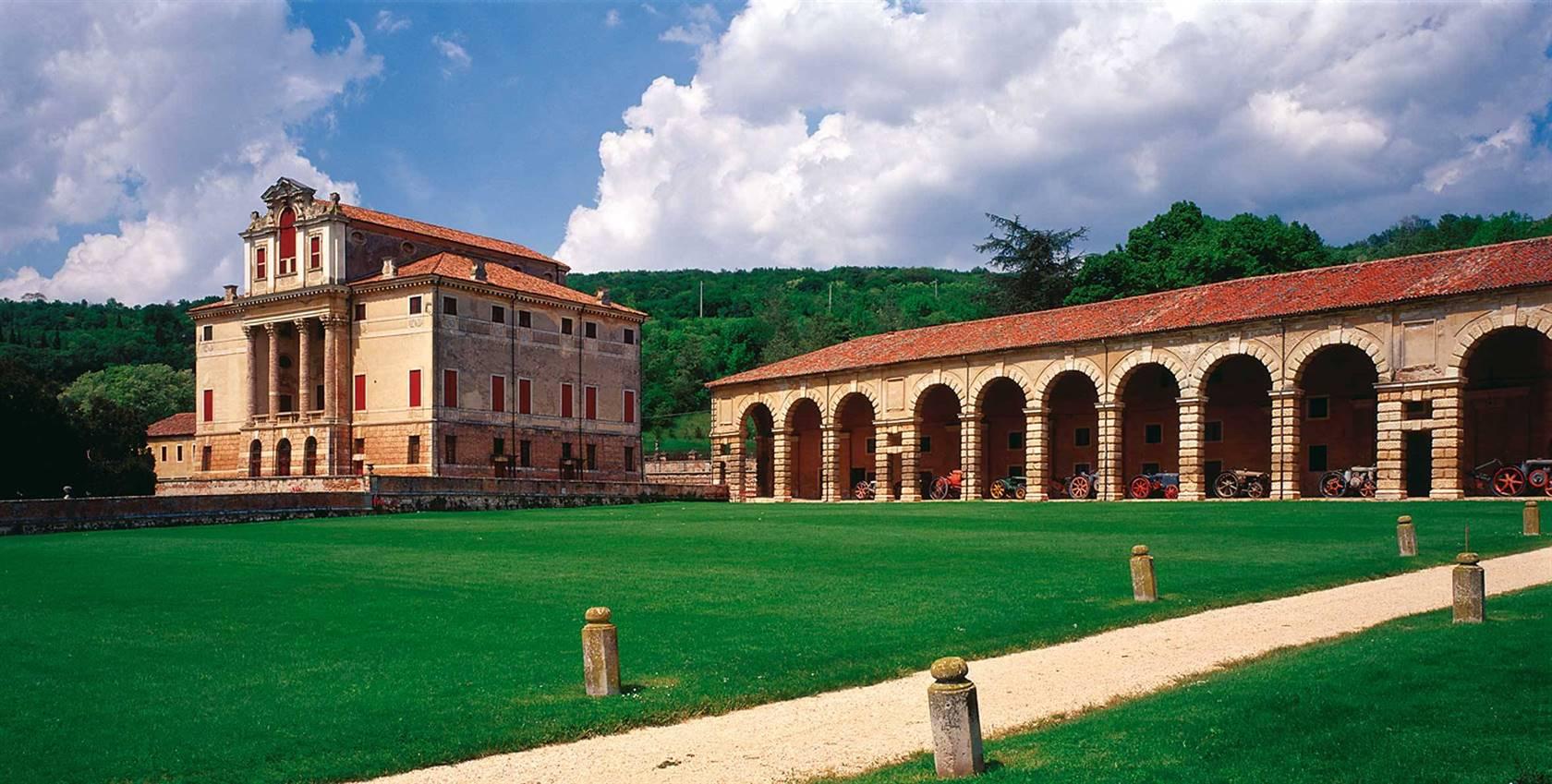
In 1316, the Fracanzan family purchased land and buildings in Orgiano, the original nucleus of the current complex. In the following centuries, the Fracanzans participated in the political life of the area and contributed to the reclamation of the surrounding lands according to the grand projects of the Venetian Republic. In the early 1700s, the Fracanzan family, having become one of the most important in Vicenza, commissioned the Lugano architect Francesco Muttoni to design the villa and garden in order to consolidate their image. The villa hosted an important literary salon and was long frequented by Elisabetta Turra Caminer (Venice 1751 - Orgiano 1796), the first female journalist of the time, known for her Enlightenment ideas. The villa was occupied by Napoleon’s troops after the Battle of Arcole, by Austrian soldiers in 1866, by Italian commands during World War I, and by the Wehrmacht in 1945. In 1870, the assets of the Fracanzans were acquired by the Orgian family and subsequently passed by inheritance to the Piovene family.
Francesco Muttoni (1668 – 1747), of Lugano origin, was called to Vicenza in the late 1600s. A Baroque architect influenced by Borromini due to his frequent trips to Rome, he studied Palladio and published an important work “Architecture of Andrea Palladio from Vicenza” with tables and observations. Many villas and palaces in Vicenza from the early 1700s bear his signature. When Muttoni was summoned by the Fracanzans to Orgiano to design the villa in the early 1700s, he had to blend parts of the old medieval buildings with the new constructions in a particular and binding environmental context. The monumental Baroque structure designed by Muttoni, rare in Veneto, is the subject of study for the numerous decorative elements of the Palladian tradition. The original projects of the villa are located in Washington at the Library of Congress and in private Italian archives. All the interiors of the villa are perfectly furnished and testify to the lifestyles of past centuries. On the ground floor, the villa is set around the column hall, which overlooks the billiard room, the plebiscite room with historical memorabilia, and the dining room with period plates and services. The famous kitchen, with collections of utensils and branches, is known for the 16th-century red marble sink designed by the Veronese Farinati, which according to tradition Napoleon wanted to take to the Louvre. On the first floor, the large ballroom, the ceramics room, the bedrooms with canopies, the Napoleon room, the bathrooms, and the large old laundry room are located.
<h3>HOURS</h3> <p>Group visits for more than 20 people: all year by appointment<br>Individual visits: Sundays and holidays from April 1 to October 31 from 3 PM to 7 PM.</p> <p>Summer closure: July 20 – August 20</p> <h3>ADMISSION TICKETS</h3> <p>Individual: € 8.00<br>Groups: more than 20 people € 7.00<br>Children up to 14 years: € 4.00<br>Children up to 6 years and people with disabilities: Free admission</p>
Fracanzan Court, Piovene Porto Godi - Villa Fracanzan Piovene <br>Catalog Number IRVV (Regional Institute of Venetian Villas): A0500001507
Villa Ca' Dotta
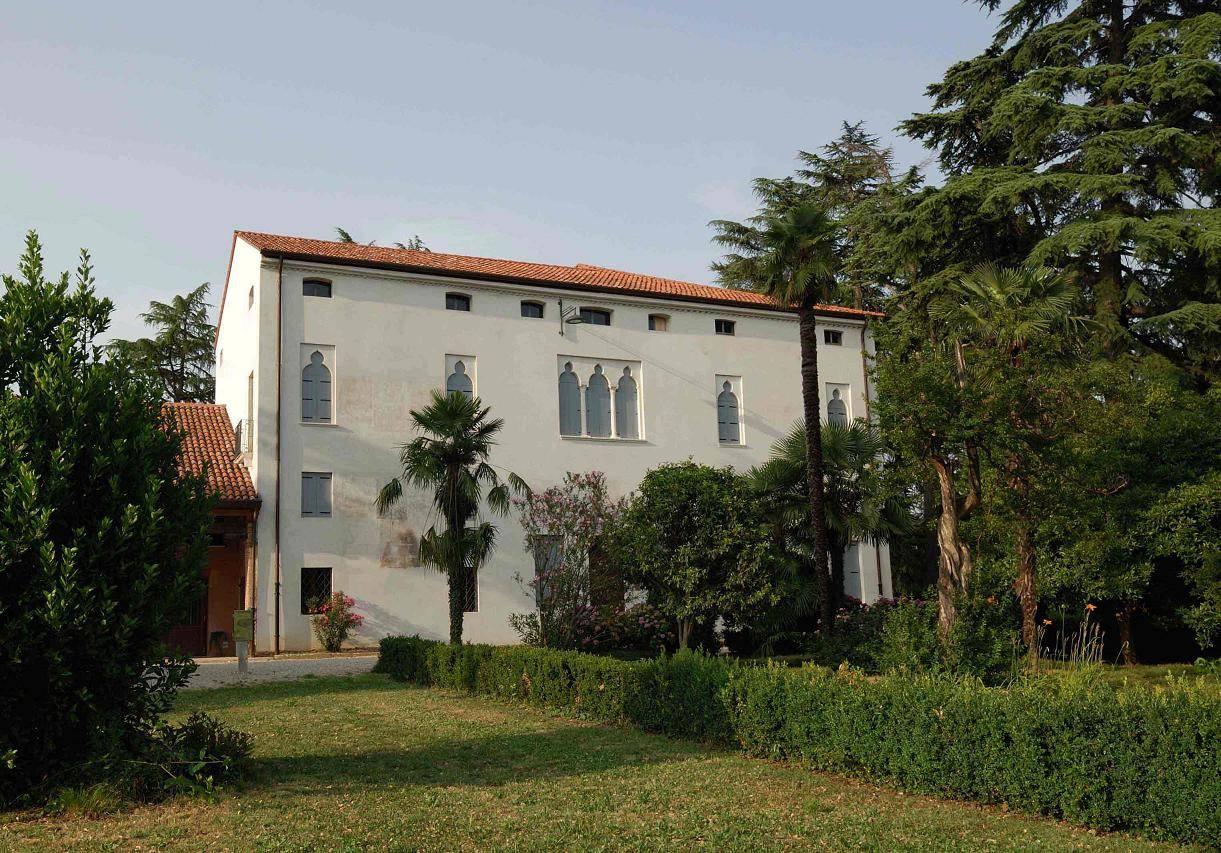
The name of Villa Ca' Dotta means: "The House of the Dotto".
The Dotto were nobles belonging to a wealthy family from Padua, who inherited land from another important Vicentine family, the Proti. It was the Dotto who later erected the Sunday house in this pleasant location, which was given the name Ca' Dotta.
After several changes in ownership, Villa Ca' Dotta began to fall into disuse, until the last owner decided to donate it to the Municipality of Sarcedo, hoping for a renovation that would make the building available for public use for socio-health purposes.
The Municipality of Sarcedo decided to renovate the villa, also thanks to public funding, to then allocate it for the intended use by the donor. Given the difficulty of repurposing the building, due to structural reasons, the Municipality, ULSS 7, and the Veneto Region initiated another project: Ca' Dotta became a place for the predominantly school-aged population, to promote healthy lifestyles in an "original" way.
<p>Reservations for specific routes to promote healthy lifestyles generally take place through the prevention services of the individual ULSS Venete companies or via email at <a href="mailto:cadotta@aulss7.veneto.it">cadotta@aulss7.veneto.it</a>.</p> <p>It is also possible to celebrate weddings at Villa Cà Dotta in the so-called <i>“fireplace room”</i> or in the "park of Villa Cà Dotta" limited to Fridays, Saturdays, and holidays.</p> <p>Fridays from 8:00 AM to 1:00 PM; Saturdays from 10:00 AM to 6:30 PM; Sundays and holidays: from 10:00 AM to 1:30 PM. </p>
Balardi, Zironda, Gechelin, called Villa "Cà Dotta" - Villa “Ca’ Dotta” <br>Catalog Number IRVV (Regional Institute of Venetian Villas): A0500001975
Villa Godi Malinverni
<p><b>VISIT HOURS VILLA<br></b>Villa Godi offers extraordinary openings, at any time of the year upon request and by reservation, for both group and individual visits.<br><br><b>From May to September</b><br>Tuesday: 3 PM - 7 PM<br>Saturday: 9 AM - 2 PM<br>Sunday and Holidays: 10 AM - 7 PM<br><br><b>March, April,<br>October and November</b><br>Tuesday: 2 PM - 6 PM<br>Saturday: 9 AM - 2 PM<br>Sunday and Holidays: 2 PM - 6 PM<br><br><b>INFO AND RESERVATIONS</b><br>Phone: +39.0445860561<br>Phone: +39.3393429942<br>Email: info@villagodi.com</p> <p> </p>
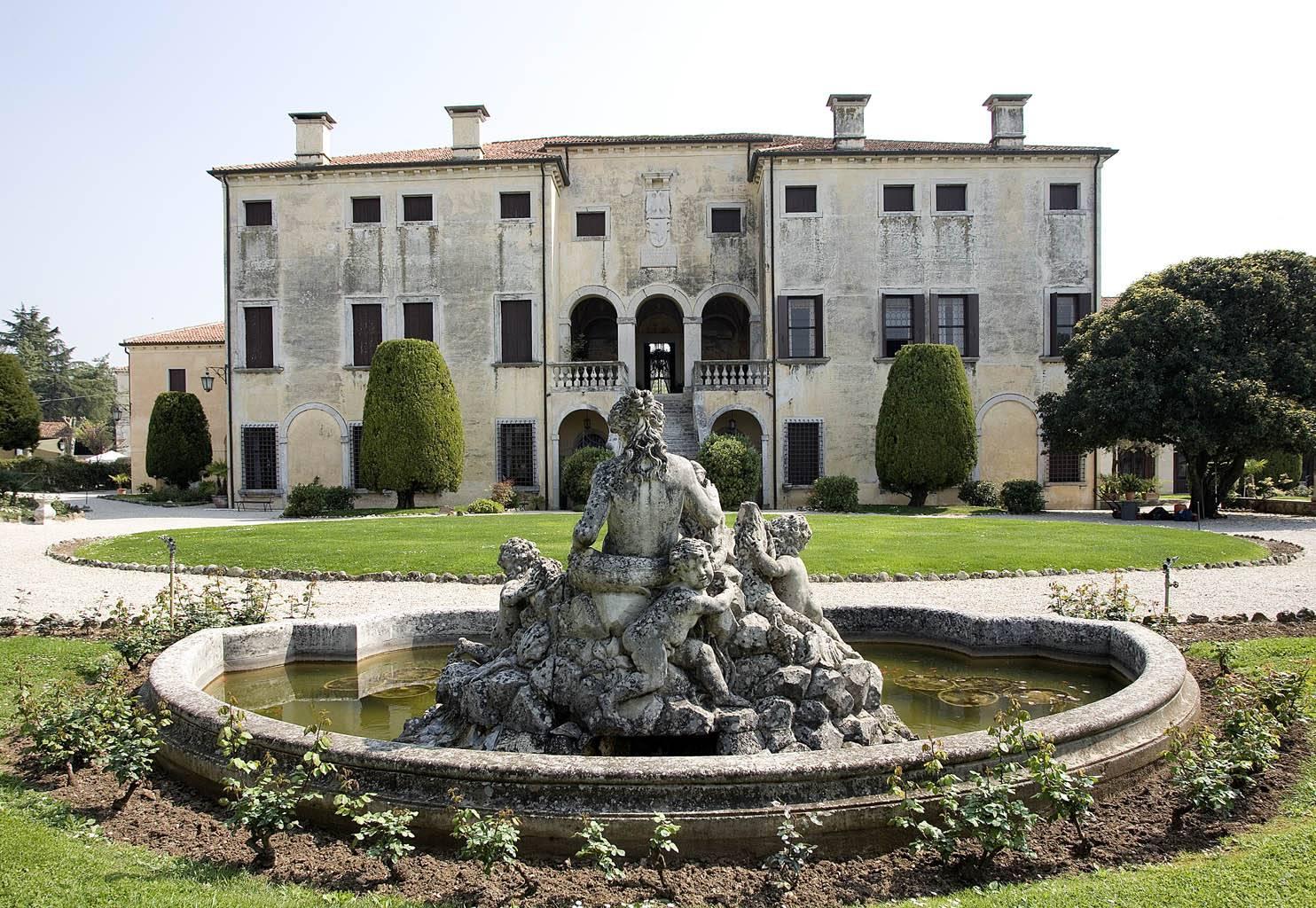
Villa Godi, Porto, Piovene, Valmarana, Malinverni - LE COLLINE DEL PALLADIO SRL <br>Catalog Number IRVV (Regional Institute of Venetian Villas): A0500001010
Villa Forni Cerato
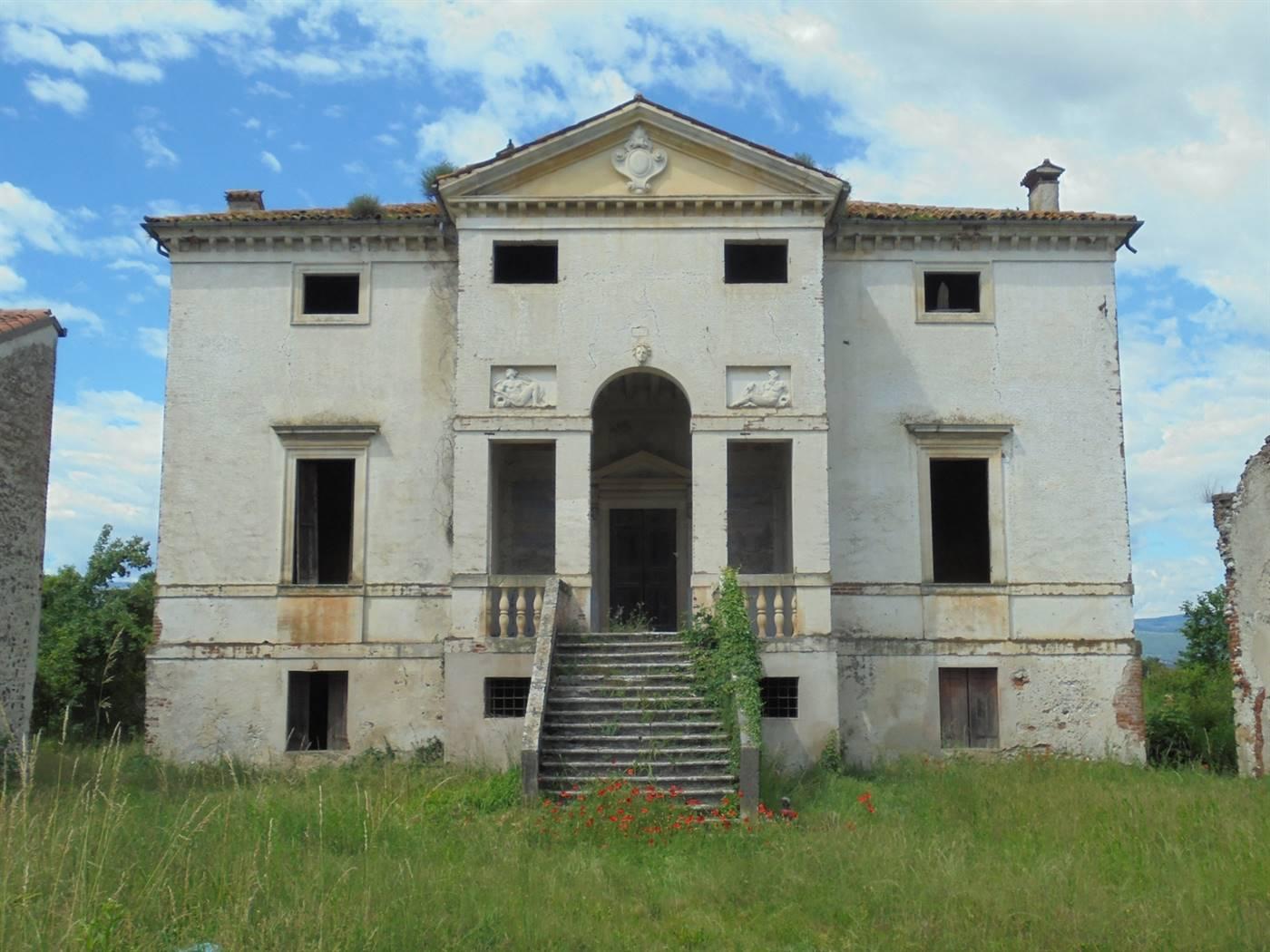
Villa Forni Cerato was built around 1565 by reworking an existing building, commissioned by Girolamo Forni, a wealthy timber merchant but without noble title, a more unique than rare case for Palladian villas. Forni had business relations with Andrea Palladio as a supplier of timber, and this is one of the reasons most critics attribute the design of this villa to Palladio himself; the villa's design is also included in "The Constructions and Designs of Andrea Palladio" by Ottavio Bertotti Scamozzi.
It is likely that the dry minimalism of the building reflected the bourgeois social status of its owner.
The building has been on the UNESCO World Heritage list since 1996.
The language of the Villa has generated doubts about its actual Palladian authorship, as well as the simple plan of the building. In reality, the Villa is the result of the restructuring of the pre-existing house and the perspective should be reversed, recognizing Palladio's intelligence in transforming constrained limitations into expressive opportunities.
At the time, the Villa had rich sculptural decoration, partly documented work by Alessandro Vittoria. The nearby farmhouses and the dovecote are in ruins. Villa Forni Cerato has always been the subject of study and historiographical analysis.
Exterior view only
Villa Forni, Cerato, Conedera, Caimeri, Lando - Villa Forni Cerato <br>Catalog number IRVV (Regional Institute of Venetian Villas): A0500001776
Villa Capra Bassani
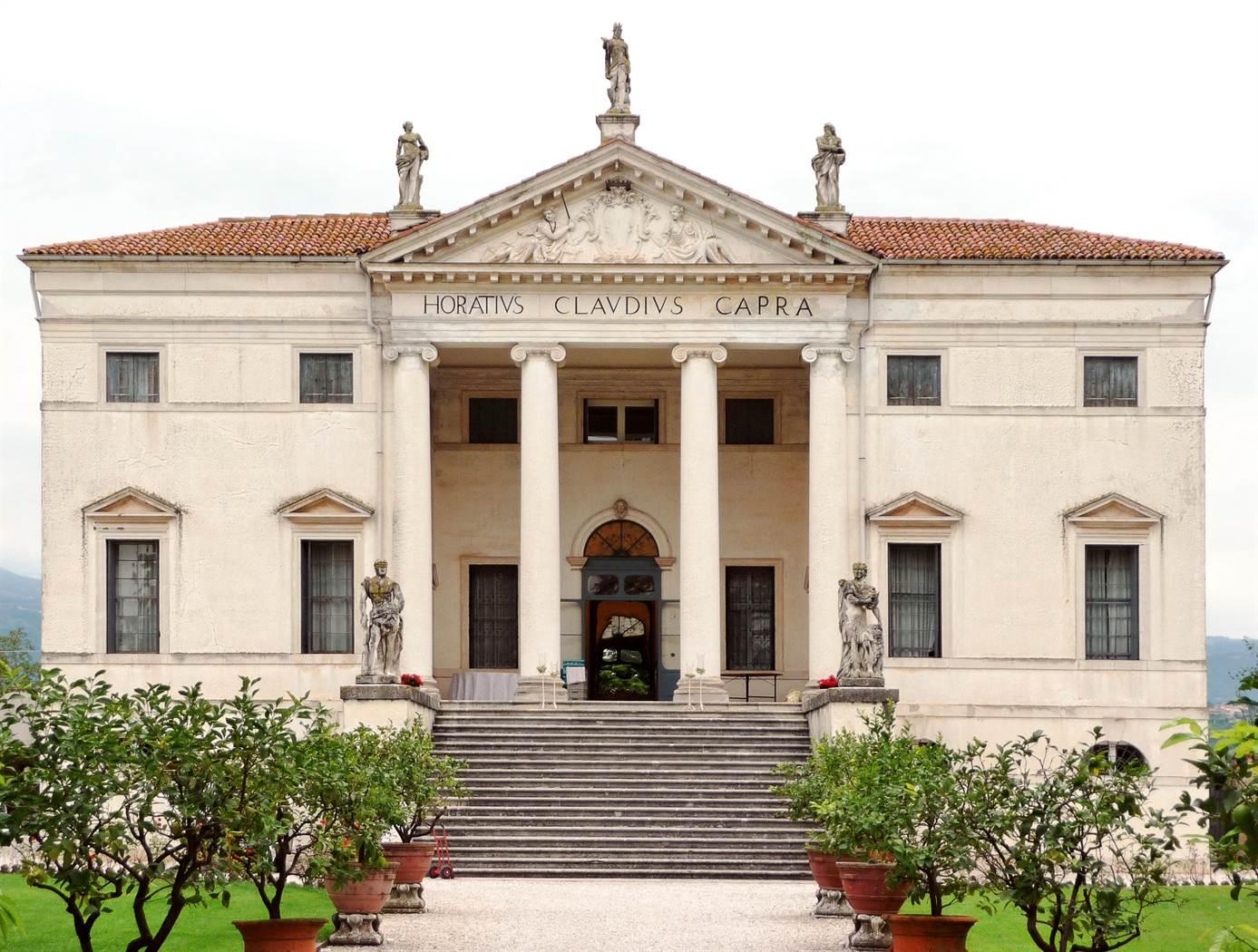
The Villa was built in 1764 by the architect Count Orazio Claudio Capra with contributions from Francesco Muttoni and Ottavio Bertotti Scamozzi.
Villa Capra Bassani is an example of a neoclassical villa clearly inspired by Palladian architecture.
The Villa features a wide staircase flanked by statues that leads to the Ionic portico. The garden is bordered by a fish pond on the bridge from which the entrance gate opens. Particularly beautiful are the statues of the pediment and the supports of the staircase.
The Hall is enriched at the top of the walls with monochromes depicting mythological scenes that represent Ovid's Metamorphoses and a lively fresco with Phaethon falling from the chariot struck by Zeus's thunderbolt.
Of particular interest are the altar and the palette of the domestic chapel located on the second floor. In the second half of the 1800s, Villa Capra was purchased by the Bassani family, who are responsible for the expansion of the rustic annexes and the barchessa.
The Villa is still today the private residence of the current owners, the Fortunato family, descendants of the Bassani.
<p>Villa Capra Bassani is open to the public by appointment for events and guided tours.</p> <p>It is also possible to rent the halls for wedding receptions, special dinners, exclusive events, business meetings, and photo shoots.</p> <p>Thanks to the excellent acoustics of the main hall, it can host instrumental and vocal concerts.</p>
Villa Capra, Colleoni Porto, Bassani, Fortunato-Toscan - Villa Capra Bassani <br>Catalog Number IRVV (Regional Institute of Venetian Villas): A0500001971