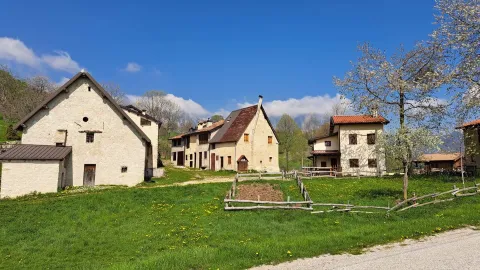
Who are the Cimbri? Peoples of Germanic origin who, starting from the 12th century, settled among the mountains of Veneto, leaving a mark that is still recognizable today in the language, traditions and architecture of the villages.
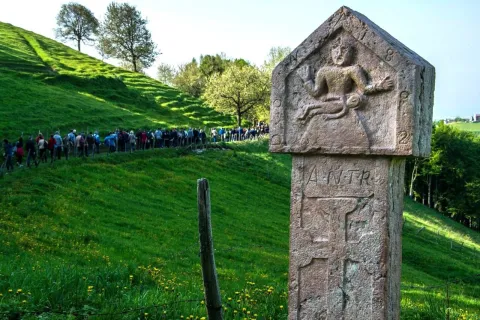
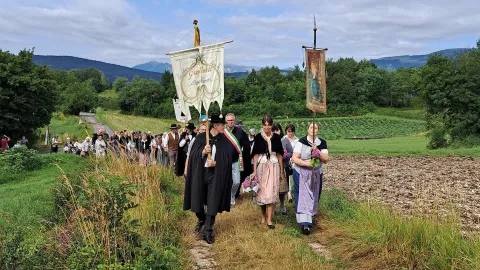
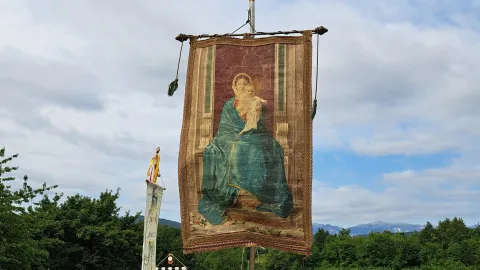
The Cimbrian Way of Saint Margaret was specifically created to share this heritage: an itinerary that follows the ancient communication routes of the Cimbrian communities, connecting the places where this culture continues to live and where the devotion to Saint Margaret, a central figure in Cimbrian religious life, has endured through the centuries.
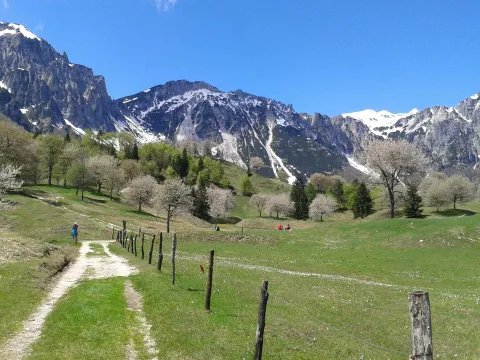
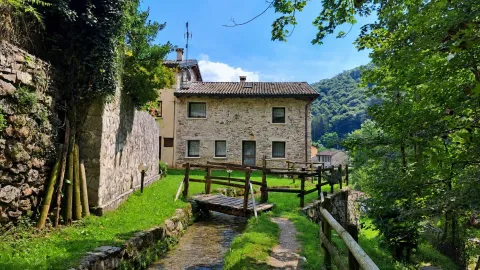
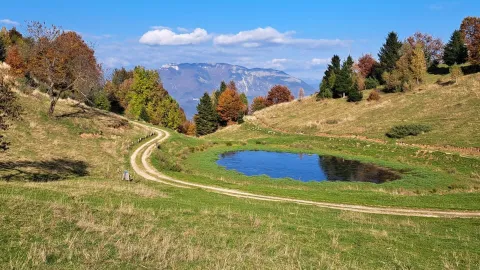
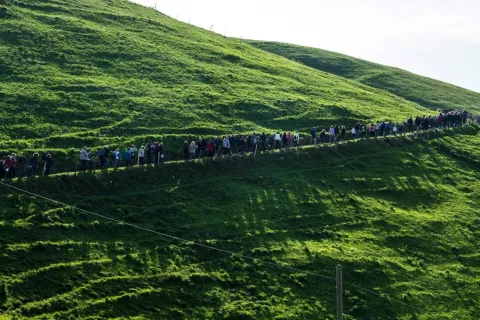
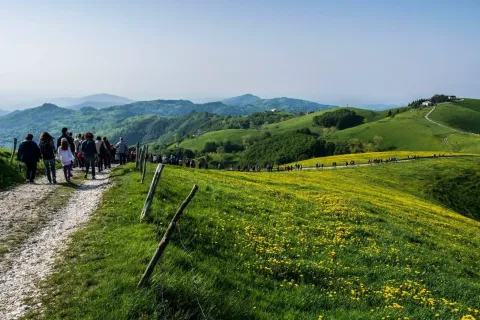
From Giazza, a village where the Cimbrian language is still preserved, the way crosses some of the most authentic environments of the Venetian Prealps. Passing among woods, pastures, mountain huts and stone hamlets, the route winds through the Lessinia, the Little Dolomites and the Altopiano di Asiago 7 Comuni, following a network of trails that for centuries linked communities united by the same language and traditions.
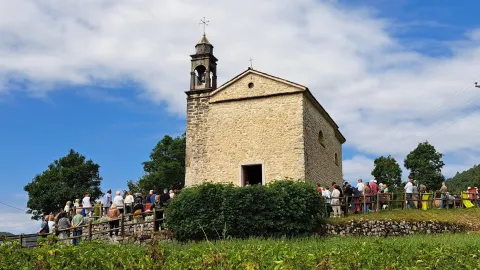
Stage after stage you encounter ancient chapels and shrines dedicated to Saint Margaret, small sacred buildings that serve as religious and social landmarks. The trail passes through villages rich in history, such as Recoaro Terme and Rotzo, reaches the spectacular landscapes of the Pasubio area, traverses the valleys of the Agno and Astico rivers and climbs the plateaus up to Luserna, the final stage and one of the most important guardians of the Cimbrian language and culture.
Each stretch alternates panoramic views, historical landmarks and locations where Cimbrian culture is still evident in the place names, traditions and the hospitality of the local communities.
Route length: 126.1 km
Number of stages: 9