Itinerari Sport e turismo
Un tour in moto tra le varie aree del Veneto svela la biodiversità paesaggistica e la ricchezza storico-artistica molto variegata e ricca di attrazioni di tutta la regione.
Proprio la varietà di siti di interesse turistico e naturalistico, unita all'invitante patrimonio enogastronomico di tutta la zona, fa sì che questi itinerari necessitino una programmazione ben studiata e documentata.
Scarica la Guida Veneto in Moto 2023 (116 Mb)
Monte Ricco and the Terrace of Hercules
Do you want to spend half a day protected by the shade of woodland packed with oak, chestnut and manna ash trees? Follow this easy and relaxing route through the gentle landscape of the Euganean Hills. The route leading to Monte Ricco is circular, marked as no. 6, with the starting point behind the railway station of Monselice.
Valley of Mills
The "San Bernardino" trail is an easy 10-kilometre loop that starts from the village of Mossano, in the province of Vicenza. Centuries ago, this town was very rich in waterways and the inhabitants exploited this characteristic by developing the industry of milling, building 12 mills that remained in activity until after the Second World War. The most famous, and photographed, example is the Mulino Mucchietto with its large wooden wheel that still works today.
Tocatì - Shared Programme for the Safeguarding of Traditional Games and Sports
Games bring us together: the first Italian inscription in the UNESCO Register of Good Practices
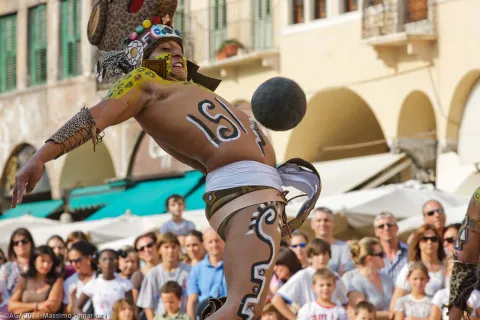
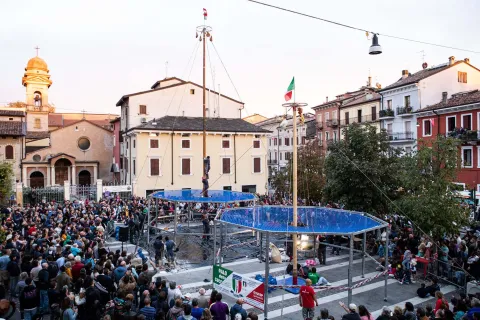
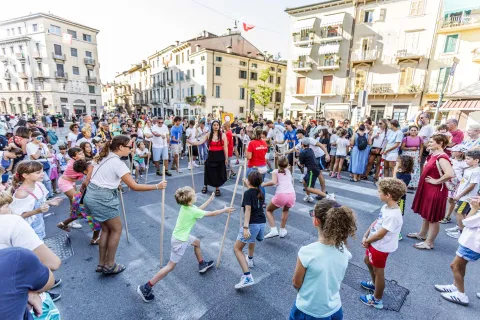
Tocatì is the protagonist of transnational recognition in the UNESCO Register of Good Practices for the Protection of Intangible Cultural Heritage, shared with Belgium, France, Croatia and Cyprus. Thanks to the commitment of volunteers of the Ancient Games Association, this Shared Programme is today a virtuous example of safeguarding traditional games heritage and a participatory cultural model: over the years it has been able to create an international network of communities, institutions and territories engaged in the research and transmission of games-related practices.
At the heart of this recognition is the International Festival of Street Games, a regular fixture that, since 2003, in the second weekend of September, transforms the streets and squares of the historic centre of Verona into a space open to sharing and discovery. Traditional Games and Sports from all over Italy, concerts and folk dances, workshops for children and conferences for older visitors, wine and gaming experiences and film screenings welcome every year the games communities of a guest of honour, a country or a region of the world, which bring their own authentic traditions to this Scaliger city: from Brittany to China, from Mexico to Flanders, from Catalonia to Hungary, which will be the guest of honour for the next edition?


Monte Baldo
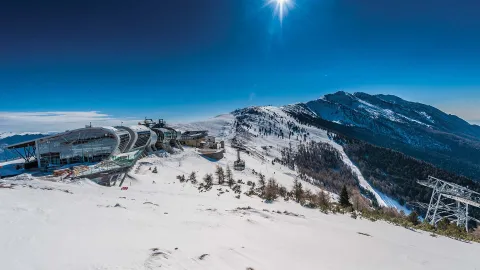
Monte Baldo is synonymous with sport, and in winter it is no exception; when the snow conditions are optimal, this paradise becomes an irresistible place for skiing and snowboard enthusiasts, with slopes suitable for all levels. If you are looking for adventure, you can try your hand at ski mountaineering, climbing up to breathtaking views, or relax with a snowshoe trek through snowy woods.
1 ski resort, 4 ski lifts, 10 km of slopes suitable for every level.
Opening hours are subject to snow conditions, so please contact the resort before organising your activities.
Baldo cable cars
Via Navene Vecchia, 12 - 37018, Malcesine (VR)
Phone: +39 045 740 0206
E-mail: info@funiviedelbaldo.it
Website: funiviedelbaldo.it