The Ways of the Lagoon
Four bike routes to go into the most hidden and intimate points of this timeless naturalistic oasis and to get deeply in touch with its unspoiled nature.
The three waters' route
Vallevecchia
For those who are not yet familiar with it, Vallevecchia is an area of extraordinary natural and environmental value, one of the largest coastal dune systems in the Veneto region and the last stretch of undeveloped coastline on the northern Adriatic. The island covers approximately 900 hectares, more than half of which are used for experimental and low environmental impact production. Approximately 150 hectares consist of sandy beaches, lowland woods, coastal pine forests and newly formed wetlands.
Valgrande
In Bibione, there are natural areas with a high degree of biodiversity, such as Valgrande, a fishing valley considered an area of regional landscape conservation. Although privately owned, for some years Valgrande has welcomed visitors by offering eco-friendly excursions, protecting the environment and its natural balance.
Ampezzo Dolomites Natural Park
Silence, rock and magnificence
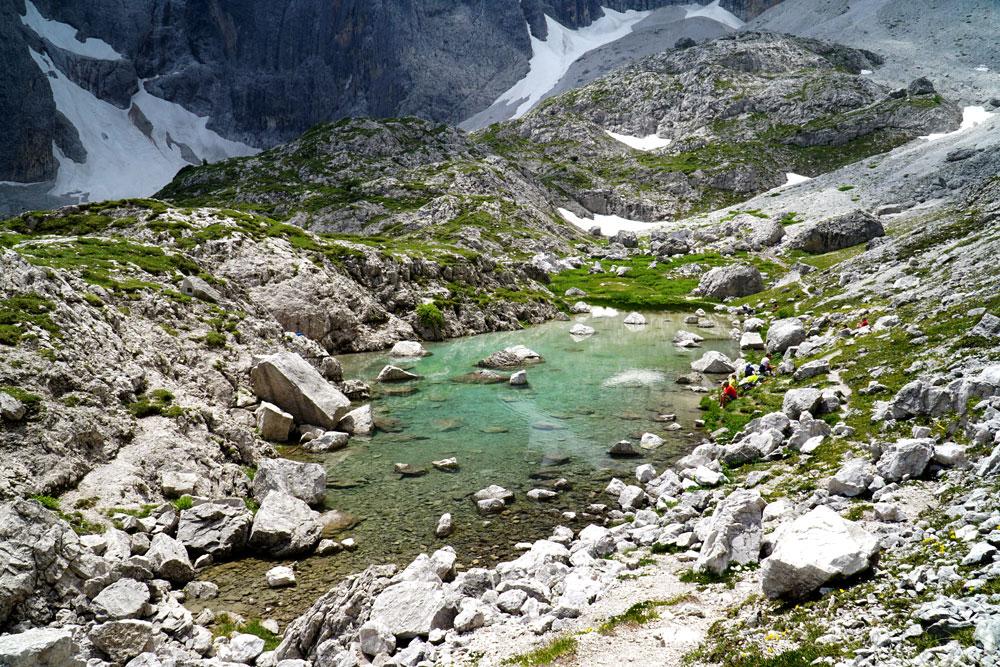
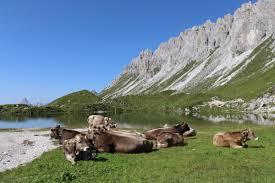
Here, nature does not speak: it astounds. The Ampezzo Dolomites rise like spires carved into the sky, with stratospheric walls that fascinate hikers and climbers from all over the world. But just look down to discover another world: green valleys, crystal-clear streams, hidden lakes, deep forests.
It's one of those places that stays within you.
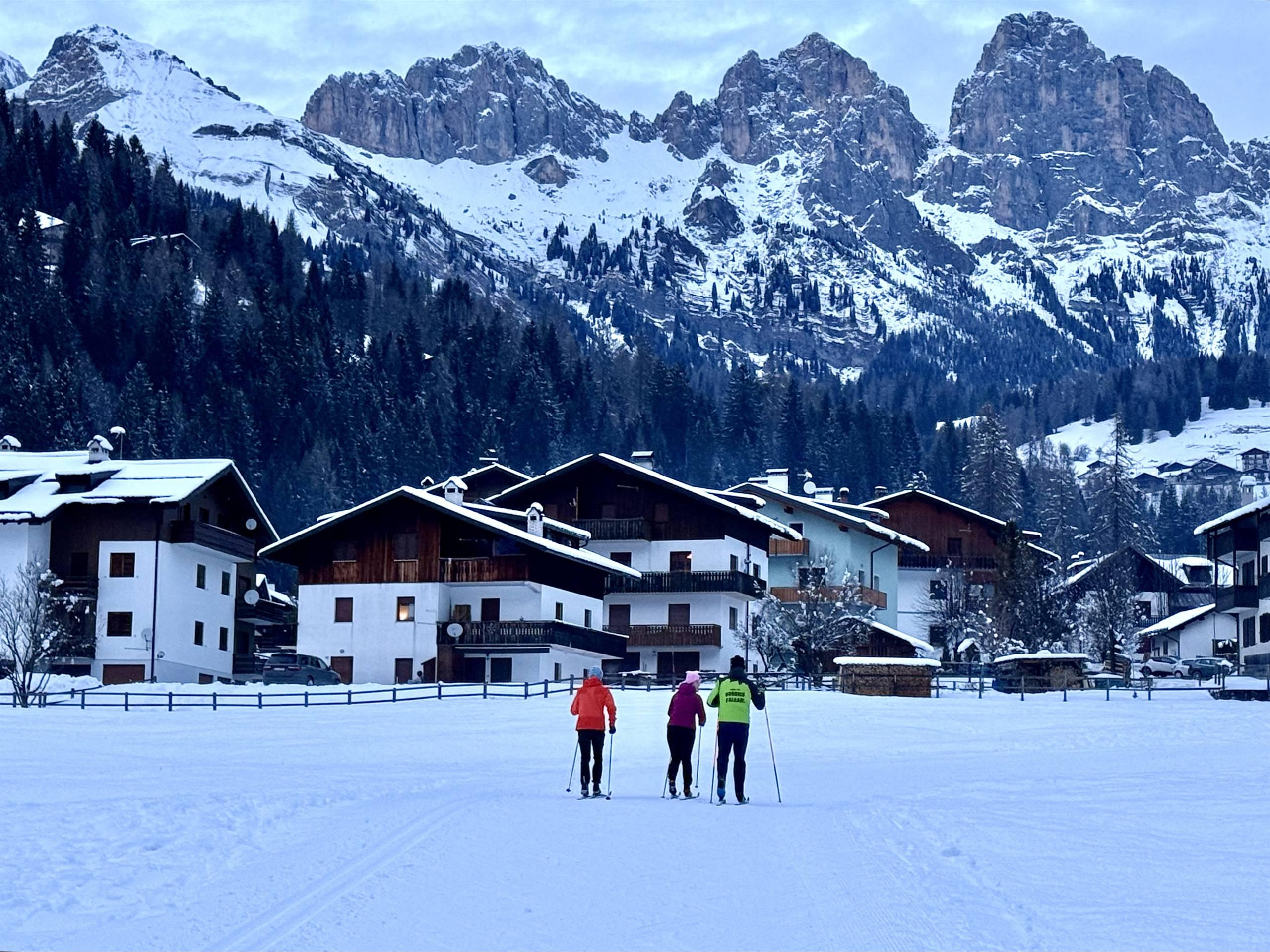
The Park, established in 1990, covers over 11,000 hectares north of Cortina d'Ampezzo, in the heart of the eastern Dolomites. No town, just pure nature: from the massifs of Tofana, Fanes and Cristallo to the valleys of Travenanzes, Fanes, Felizon and Boite every corner offers spectacular scenery.
Among the conifers and larches that punctuate the slopes, the Semprevivo delle Dolomiti stands out, the symbol of the Park. And then there are 35 species of orchids, monumental beeches and fragrant mountain pines. If you look up to the skies, you might spot golden eagles, owls, and rare woodpeckers. If you keep really quiet, you may come across an ibex or a chamois.
Visit the official website.
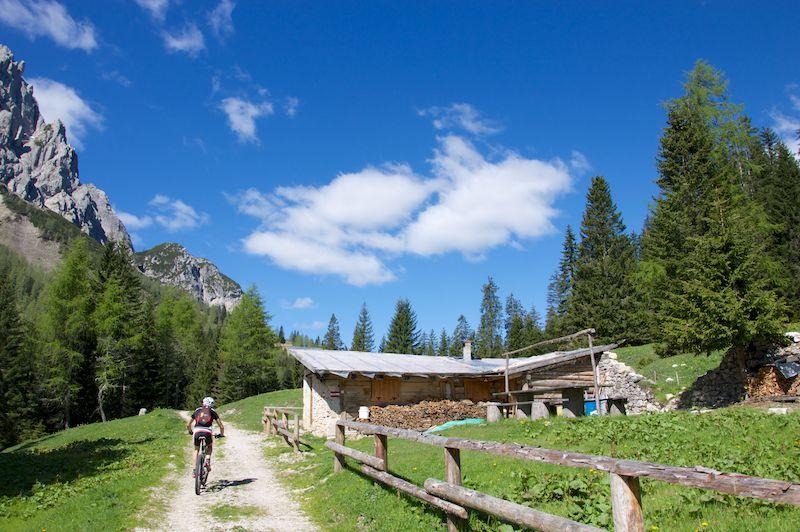
The Park offers dozens of trails for every level, to explore on foot or by mountain bike. Mountaineers will find here a real open-air climbing gym, surrounded by unreal silences and breathtaking views.
But always remember: walking here is a privilege. Bring respect, care and lightness of foot with you. Nature can give so much, if you learn to pass through it without leaving a trace.
Lessinia Park
A plateau where nature tells ancient stories
Welcome to Lessinia, north of Verona, where the mountains soften and the upland emerges among meadows, huts, deep forests and ancient legends.
Here, every step has the flavour of discovery: of a powerful but welcoming nature, which has always coexisted with mankind in perfect harmony.
In the Lessinia Regional Natural Park, over 10,000 hectares preserve geological, historical and landscape wonders.
The karst mountains offer unique scenery: sinkholes, caves, and natural bridges, such as the famous Veja Bridge - a spectacular rock arch under which a crystal clear stream flows. Not to mention the mysterious Spluga della Preta, among the deepest abysses in Italy, or the suggestive Valle delle Sfingi, with its monoliths sculpted by time.
Between a walk and a break in a hut, you can come across traces of the Cimbri, an ancient Germanic population that has left its mark in stone and architecture. And if you love fossils, here you are in the right place: Pesciara di Bolca is one of the most important paleontological sites in Europe.
Visit the official website.
There are numerous trails, all well signposted and perfect for hiking, mountain biking or horse riding. The upland is accessible from different directions and offers experiences suitable for everyone, from experienced walkers to families with children.
Lessinia is not merely to be crossed: you need to listen, breathe, live the experience. And when you leave, a little of the place remains inside you. Especially if you have been able to offer the right respect.
River Sile Natural Park
Where water comes from silence
In the Natural Park of the Sile River everything starts from the bottom, from a drop that emerges from the ground. It is here, between quiet fields and peat bogs, that the water comes to life, clear and silent, in the "Fontanassi", the resurgence springs typical of the Treviso landscape.
The river begins in Casacorba, just above Treviso, and from there begins its slow journey, among lakes, swamps, a crisscross of waterways and old mills. In this first section, the landscape is rural and rarefied: an intertwining of nature, history and tranquility.
Once this was the area of the mills: Treviso was called "the granary of the Serenissima" because from here came the ‘burci’, the boats loaded with flour bound for Venice.
After Treviso, Sile transforms. The banks rise, the old tow paths – once trodden by the horses that towed the barges – have become beautiful cycle-pedestrian paths, ideal for discovering the park step by step.
If you love cycling or walking surrounded by nature, here you are in the right place: follow the river towards the sea, cross former quarries transformed into small lakes, re-naturalised wetlands, listen to the rustling of herons, and see foliage, swans, ducks and cormorants.
Take your time: every bend in the river gives you a different view.
Visit the official website.
Start wherever you want: the River Sile Park is easily accessible by car or train. The trails are flat, also suitable for families with children.
Follow the course of the river slowly and respectfully. The Sile accompanies you gently: you do the same with it. Every leaf, every reflection, needs your attention.